Field note · 7 March 2026
Mapping day-trip pressure on coastal hubs
Day visitors can fill beaches and markets while overnight rooms stay soft. Here is how to visualise that split for planning meetings.
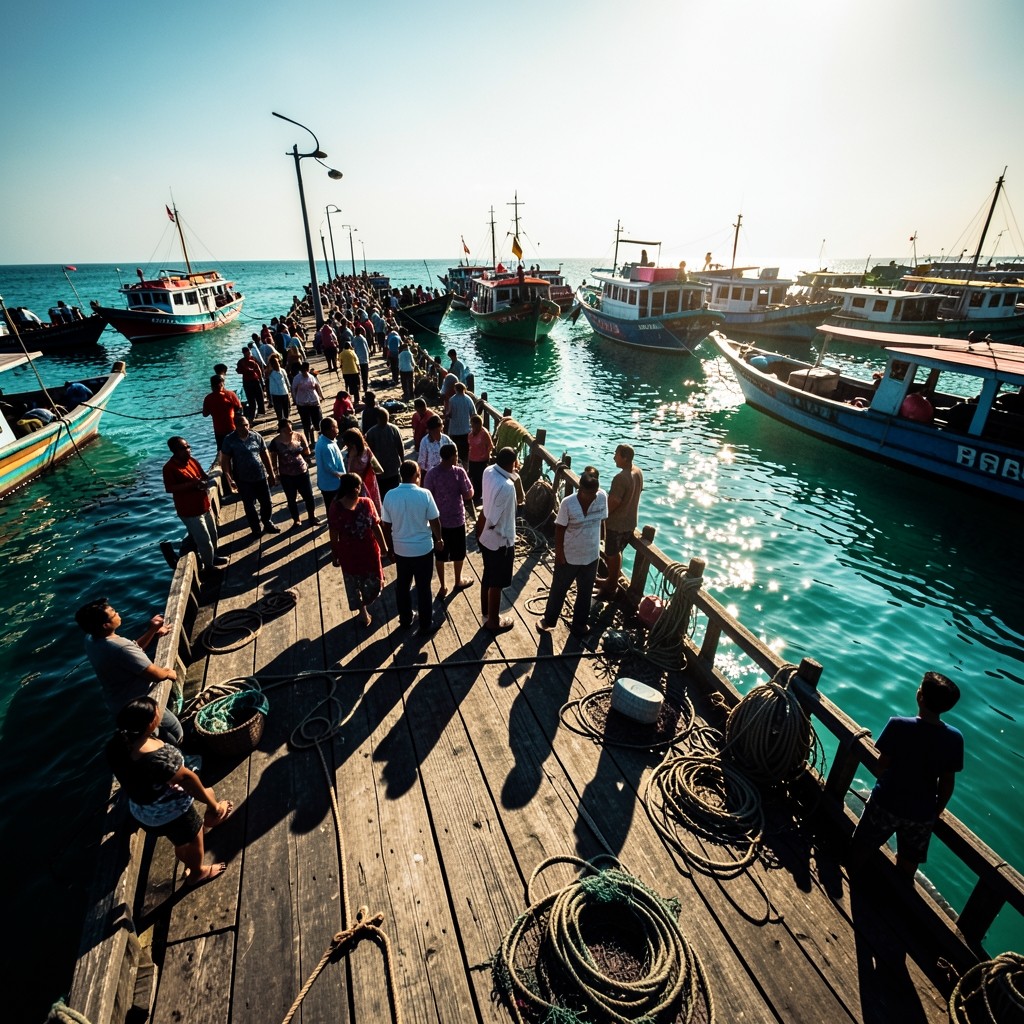
Coastal hubs in Thailand often host two overlapping economies: overnight guests who book rooms and day visitors who arrive by coach or ferry for a few hours. When both are counted as “busy,” operators can misread demand for lodging and dining capacity.
Attraction Demand Mapping separates parking and pier arrivals from hotel check-ins. A pier queue at 10:00 with soft occupancy at noon points to day-trip pressure. A full hotel strip with quiet piers suggests overnight demand that still needs evening entertainment rather than more morning boat slots.
Markets and beachfront restaurants feel day-trip pressure first. Ask vendors which hours empty their coolers. Those hours rarely match the hotel’s peak check-in window, and plotting both on one diagram makes the mismatch obvious to a mixed stakeholder group.
Once the map is shared, conversations shift from “we need more visitors” to “we need different hours and different offers for the people already arriving.” That is usually a more honest planning path for a coastal corridor.